
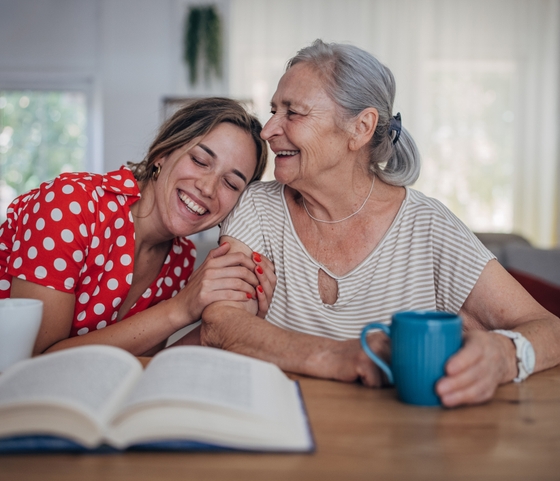
As the world celebrates love and romance on Valentine's Day, millions of people in the United States are experiencing the opposite — loneliness. According to the U.S. Surgeon General's 2023 Advisory on Loneliness and Social Isolation, approximately 47% of adults in the United States experienced some level of loneliness, with 20% reporting severe loneliness. This epidemic of loneliness is not limited to any particular age group, with 43% of millennials, 35% of Gen Xers, and 28% of baby boomers reporting feelings of loneliness.
The consequences of loneliness are far-reaching and can have a significant impact on both physical and mental health. Chronic loneliness has been linked to increased risk of depression, anxiety, cardiovascular disease and even premature mortality. Moreover, loneliness can also affect our relationships, work performance and overall well-being.
So, what can you do to cope with loneliness, especially around Valentine’s Day, when social pressures can be overwhelming? Jennifer Christian-Herman, Ph.D., vice president of Clinical Strategy and Programs at Blue Shield of California, offers tips for coping with loneliness, as well as knowing when to seek help.
- Reach out to others: Don't be afraid to connect with friends, family or colleagues. Even a simple phone call, text or video chat can help alleviate feelings of loneliness.
- Practice self-care: Engage in activities that bring you joy and relaxation, such as reading, exercise or hobbies. Volunteering or caring for an animal can also be considered forms of self-care because helping others can boost your own spirits.
- Join a community: Building connections and support systems to prevent and combat loneliness is important. Look for local clubs, groups or organizations that align with your interests — it might be a group at the library or community center or even a meetup with neighbors at your local dog park.
“For those who are feeling lonely, even small efforts at connection can make a difference,” said Christian-Herman. “At first, you may feel awkward as the new person — especially if you’re feeling lonely or isolated already. But stick with it, and you’ll find that once you participate in something for a little while, it does start to feel like much more of a community.”

When to seek help
If your loneliness is causing you distress it may be time to reach out to a trusted friend or relative or talk to your healthcare provider. Signs that you may need more support include:
- Persistent feelings of loneliness: If you've been feeling lonely for an extended period, it's essential to seek help. Chronic loneliness can have severe consequences for your mental and physical health.
- Difficulty performing daily tasks: If loneliness is affecting your ability to perform daily tasks, this may be a sign of depression and it's time to seek help.
- Suicidal thoughts or behaviors: If you're experiencing suicidal thoughts or behaviors, please seek help immediately. Connect to the 988 Crisis Lifeline, which is free, anonymous and available 24/7 in multiple languages.
“It’s also important to check in on friends and family members who seem isolated,” said Christian-Herman. “If you are concerned that someone you know is experiencing loneliness, the best thing you can do is ask. We can break down the stigma of loneliness through honest conversations.”
“This Valentine’s Day let's prioritize kindness, empathy and understanding,” Christian-Herman added. “Reach out to those who may be feeling lonely and isolated, and we can build stronger connections with others.”
Resources
- Blue Shield members can find mental health resources here.
- Many members have access to Wellvolution, an online platform with lifestyle-based tools to support mental health, including Headspace in Wellvolution which offers guided box breathing.
- For youth mental health resources, visit Blue Shield of California’s BlueSky website.
- The 988 Crisis Lifeline is free, anonymous and available in multiple languages. Connect to 988 here.