
by Kahliah Laney
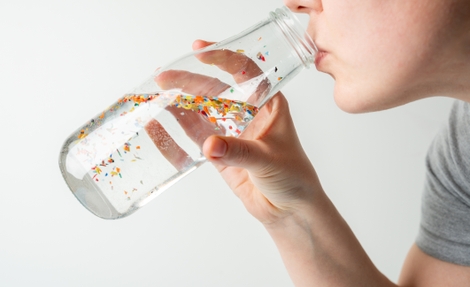
Microplastics are everywhere — gum, tea bags, bottled water, plastic cutting boards, foods, synthetic clothes and, increasingly, in our bodies. One recent study found the average human brain now contains a spoonful of microplastics, and that people diagnosed with dementia have up to 10 times more microplastics present in their brains than those without the condition.
“Research findings like these indicate that microplastics are not only harmful to the environment, but also to human health,” said Dr. Jennifer Nuovo, chief medical officer for Blue Shield of California Promise Health Plan. “Although more research is needed to understand the long-term impacts, some things are clear, like links to higher rates of endocrine disruption. As we see more health issues linked to microplastics, steps can be taken to reduce potential risks.”

What are microplastics?
Microplastics are tiny pieces of plastic, ranging in size from five millimeters — about the size of a pencil eraser — down to one nanometer, which is 100,000 times smaller than the width of a human hair. These particles break down into even smaller particles called nanoplastics. Micro and nanoplastics can start out small, or they can form when larger plastic items erode over time. These small bits then infiltrate the body and are even small enough to cross the blood-brain barrier.
Plastic waste includes common items like plastic bags, beverage bottles, food wrappers and containers and clothing, as well as household appliances and even car parts. Stanford University estimates anywhere from 10 to 40 million metric tons of microplastic particles are released into the environment every year in our waterways, soil and air, with that number expected to double by 2040.
What are the health risks of microplastics exposure?
In addition to being linked to higher rates of dementia, microplastics are also linked to higher rates of infertility, antibiotic resistance and increased risks for hypertension, diabetes and stroke.
“Everyday exposure is just the beginning. Our exposure to microplastic pollution increases when plastics are not disposed of properly — whether through commercial incineration, improper dumping, or when homes, cars and other structures are destroyed during environmental disasters, such as the recent southern California wildfires,” said Dr. Nuovo. “Microplastics then find their way into the air, as well as our oceans and waterways. As a result, people’s health is put at risk, and the health of those in our most vulnerable communities are disproportionately impacted.”
Dr. Nuovo recommends five ways you can protect yourself and loved ones.
- Avoid heating plastics: Consider replacing plastic food containers, dishware and water bottles with glass, stainless steel or ceramic alternatives that are microwave, oven and dishwasher safe. Put store-bought microwavable meals that come in plastic on a non-plastic plate before heating. “Plastic leaches at 158 degrees Fahrenheit, so you should avoid heating food or drinks in plastic containers, cooking with plastic utensils or cookware, putting plastic wrap on hot food, or running plastic through dishwashers,” said Dr. Nuovo. “That plastic bottle of water you left sitting in your car on a hot sunny day — don’t drink it.” If you can’t part with your plastic dishes or mixing bowls just yet, be sure to hand-wash them in cool water and replace them when they start to show signs of wear.
- Invest in reusable and natural alternatives: Single-use food containers account for an estimated 9 million tons of waste annually and take an estimated 450 years to biodegrade. Consider reusable alternatives, like travel coffee mugs instead of disposable coffee cups, most of which are lined with plastic and covered with plastic lids. Rather than reaching for plastic grocery bags or plastic takeaway containers, plates, utensils and tablecloths, opt for a reusable option. Instead of synthetic clothes, opt for natural fibers like cotton or wool.
- Choose foods carefully: Fruits and vegetables haven’t been spared from microplastic exposure, with apples and carrots being identified as the most contaminated of the food group. Fruits and vegetables can absorb microplastics through their roots from the soil they grow in. To reduce exposure, consider purchasing locally sourced, organic fruits and vegetables when possible and be sure to wash and peel them thoroughly. (Click here to see a list, as reported by MSN.com, of the 10 food items identified in the article as containing the highest levels of microplastics among those evaluated.) Considered by many to be a healthy alternative to sugar, honey contains a significant amount of microplastics. Bees pick up microplastics, which they eventually introduce into their hives and the honey they produce. Whenever possible, buy locally sourced honey in glass jars.
- Swap out plastic kitchen items: Avoid nonstick cookware, which contaminates food with microplastics during preparation. Instead of nonstick cookware, utilize cast iron, carbon steel or stainless steel. You may also want to replace plastic cutting boards and spatulas with wood options. “Every time you cut, slice and chop food on plastic cutting boards or touch your food with a plastic utensil that’s exposed to heat, you are contaminating it with microplastics that are chipped off or released in the process,” said Dr. Nuovo. “You ingest that plastic when you eat your food.”
- Limit exposure for infants: For babies, swap out plastic baby bottles for glass ones, or otherwise avoid heating plastic baby bottles in the microwave or warmers. Avoid plastic teethers if possible and replace them with wood or cloth teethers instead. Consider storing breast milk in glass mason jars (yes, you can freeze mason jars!) rather than single-use plastic bags.
While it’s nearly impossible to avoid microplastics altogether, Dr. Nuovo emphasizes that these small changes can make a big difference for reducing exposure and health risks — and environmental impact.
"What’s healthy for our planet is typically what is healthy for us too,” said Dr. Nuovo. “Reducing waste and reducing our use of and exposure to plastic will help foster a healthier planet, healthier communities and healthier people.”
To learn more about Blue Shield of California’s commitment to decreasing our emissions and supporting the health of our members and California communities, read our News Center story about how Climate Care is Health Care or visit citizenship.blueshieldca.com.