
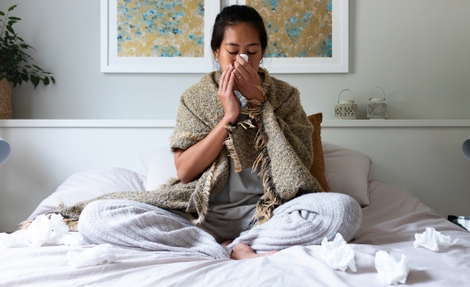
When you have an ongoing cough, fatigue and fever, it’s easy to dismiss it as a lingering cold. But it could be a sign of something more — like pneumonia.
“If you’re coughing excessively, have a temperature above 100.4 F and are experiencing excessive fatigue that doesn’t resolve within a few days — don’t delay contacting your doctor. When an infection spreads to the lungs, it can become serious,” said Dr. Jennifer Nuovo, chief medical officer for Blue Shield of California Promise Health Plan. “Last year, we saw a surge in pneumonia cases across all age groups, and reports are increasing again this year. It’s crucial for individuals to understand the warning signs to protect themselves and their loved ones.”
Knowing the symptoms and when you should seek medical care can help prevent complications, speed up recovery and in some cases even save your life or the life of your loved one.
Below, we answer your questions about pneumonia and symptoms, tips to reduce your risk and when to seek care.
What is pneumonia?
It can be hard to tell the difference between a cold, the flu and pneumonia — and only a healthcare provider can make a proper diagnosis. Pneumonia can lead to serious issues with the respiratory and immune systems, so it’s important to seek medical attention if your symptoms could indicate infection.
How do I contract pneumonia?
While all pneumonia involves inflammation caused by infection in the lungs, there are different types of contagious pneumonia depending on the cause:
- Bacterial pneumonia: The most common type of pneumonia, often caused by Streptococcus pneumoniae bacteria.
- Viral pneumonia: Usually linked to the flu or other viruses.
- Fungal pneumonia: More common in people with weakened immune systems.
- Atypical pneumonia (walking pneumonia): Tends to cause milder symptoms, but if left untreated, it can worsen or lead to full-blown pneumonia.
Aside from the contagious forms of pneumonia mentioned above, there’s also aspiration pneumonia, which happens when food or liquid accidentally gets into the lungs.
Who is at risk for pneumonia?
Everyone is at risk for pneumonia, but it’s especially dangerous for adults over 65, children under 5, people with chronic medical conditions such as diabetes, heart disease or asthma, and individuals with weakened immune systems.
According to the CDC, 1.2 million people visit the emergency department from pneumonia, and more than 40,000 people in the U.S. die from pneumonia every year. Mortality rates are higher in some groups, like the elderly and young children. For children, pneumonia remains a leading cause of childhood mortality.
Signs of pneumonia – not a common cold
- Fever
- Fatigue that feels out of proportion to the illness
- Aggressive cough that doesn’t resolve within a few days (the cough may be a dry cough or producing green or yellow mucus)
- Rib pain
- Shortness of breath or rapid breathing
For children and babies, Dr. Nuovo encourages parents to watch out for the extra “work of breathing” by looking at their child’s chest to see how rapidly they are breathing. If it appears their body is using additional effort and muscles to move air in and out, this can be a key sign of respiratory illness.
When should I seek care?
If you or your child is experiencing the symptoms above, these symptoms may signal pneumonia, which can worsen quickly if left untreated. Young children may not show the classic signs of pneumonia and it can resemble other common illnesses, so it’s important to have them evaluated by a healthcare provider to be sure. When in doubt, don’t wait — early care can prevent serious complications.
How can I avoid getting pneumonia?
Even with precautions, sometimes you can still contract infection, but these 4 tips will increase the likelihood of staying healthy:
- Keep up to date with your flu vaccinations. Additionally, for children under 2, individuals 65 and older or those with risk factors, the pneumococcal vaccine is also recommended as part of preventive care.
- Wash your hands regularly. Good hygiene helps prevent infection, so wash your hands thoroughly and often, and avoid close contact with people who are sick.
- Avoid smoking and secondhand smoke. Smoking damages your lungs and makes them more susceptible to infections.
- Follow a healthy lifestyle. Maintain a healthy weight, stay physically active, eat a nutritious diet and get plenty of sleep to keep your immune system at its best. If you have a chronic condition, keep asthma, diabetes and heart disease under control.
Resources
- Blue Shield’s preventive health guidelines for adults, children and seniors
- Protect yourself with the flu vaccine
- Where to get a flu shot
- Wellvolution, Blue Shield’s digital lifestyle-medicine platform, offers programs for weight loss, diabetes, quitting smoking, mental health and more, at no cost to most members.